ASCON 演讲嘉宾
ASCON Distinguished Speakers
Bernhard Sechser
intacs e.V. 顾问委员会成员 | Process Fellows GmbH 董事总经理
Advisory Board Member | intacs e.V.
Managing Director | Process Fellows GmbH
演讲主题:intacs®的20年:一个成功的故事
Topic: 20 years of INTACS® – A Success Story
查看简介与演讲摘要 / View Bio & Abstract
个人简介 / Biography
In the last 30 years, Bernhard Sechser and his colleagues at Process Fellows GmbH have been designing and improving livable processes for customers and partners that create real added value and do more than just help to meet standards. In working groups and committees on Automotive SPICE®, Functional Safety and Cybersecurity, he develops solutions together with other experts to make tomorrow’s world a bit more understandable. Whether in training or coaching sessions, he tries to give his participants practical answers to all their questions. And where that is not possible, he researches other options. As a member and expert group leader of the ASQF, he supports the software quality and process community by organizing regular expert group meetings to exchange experiences. As a member of the intacs® Advisory Board, he supports the international SPICE community by organizing regular information exchange meetings with regional representatives from all over the world.
演讲内容简介 / Speech Abstract
INTACS® – the “International Assessor Certification Scheme” – has been in existence for 20 years now. The scheme defines a globally uniform training program to which all prospective assessors must undergo. This represents an almost unique success model in the automotive industry in terms of system and software quality, if you compare it with topics such as functional safety or cybersecurity, where there are many different training opportunities. In this talk, we present the highlights and peculiarities of the scheme, but we also shed light on the changing environment that INTACS® has to face. What changes and innovations do the scheme have to take into account in order to be able to continue this success? Ultimately, everything depends on the people and the processes involved in order to be able to successfully compete for the next 20 years.
朱少民 Kerry Zhu
特聘教授 | 同济大学
Professor | Tongji University
演讲主题:从可追溯到一致性:AI时代ASPICE的证据工程框架
Topic: From Traceability to Consistency: An Evidence Engineering Framework for ASPICE in the AI Era
查看简介与演讲摘要 / View Bio & Abstract
个人简介 / Biography
朱少民,同济大学特聘教授、CCF杰出会员、全国计算机科学技术名词编委。近三十年来一直从事软件工程的教学与研究工作,先后获得多项省、部级科技进步奖,已出版了二十多部著作和5本译作,代表作主要有《软件工程3.0》、《智能软件工程》、《大模型驱动软件测试》、《软件测试方法和技术》、《全程软件测试》、《软件质量保证与管理》等。曾任思科(中国)软件有限公司QA高级总监、IEEE ICST 2019工业论坛主席、多个IEEE国际学术会议程序委员、《软件学报》和《计算机学报》审稿人等。
Kerry Zhu, Professor at Tongji University, Distinguished Member of CCF (China Computer Federation), and Editorial Board Member of the National Terminology for Computer Science and Technology. For nearly three decades, he has been engaged in the teaching and research of software engineering. He has received multiple provincial and ministerial Science and Technology Progress Awards, published more than twenty monographs and five translated books. His representative works include Software Engineering 3.0, Intelligent Software Engineering, Large Model-Driven Software Testing, Software Testing Methods and Techniques, End-to-End Software Testing, and Software Quality Assurance and Management. He previously served as Senior Director of QA at Cisco R&D Center (China), Chair of the Industry Forum for IEEE ICST 2019, Program Committee Member for multiple IEEE international academic conferences, and a peer reviewer for the Journal of Software and Chinese Journal of Computers.
演讲内容简介 / Speech Abstract
ASPICE的本质是把过程能力转化为可证明、可复现的证据链。但在AI/ML场景下,“追溯有链接”仍可能失败:LLM的非确定性与环境依赖,使得证据语义一致性难以保证;而 SWE 的覆盖与静态检查证据,难以直接替代MLE对数据/模型边界、OOD与回归的验证证据。本次演讲提出“Spec 驱动的证据工程框架”,把SWE与MLE(含质量支撑过程:配置/变更/数据管理)纳入同一套验证与归档闭环,通过受控的Specs Delta与验证门禁形成一致性证据。强调一致性与双向追溯在ML证据中的地位。
The essence of ASPICE is to convert process capability into a provable and reproducible evidence chain. However, in AI/ML scenarios, traceability with formal links can still break down: the non-determinism and environmental dependencies of large language models make it difficult to guarantee the semantic consistency of evidence. Meanwhile, traditional SWE evidence such as code coverage and static analysis cannot directly replace MLE-specific verification evidence covering data/model boundaries, out-of-distribution (OOD) behavior and regression validation. This lecture proposes a Spec-driven Evidence Engineering Framework, integrating SWE and MLE processes within a unified closed-loop verification and archiving system. Consistent evidence is established through controlled Specs Delta and verification gates, with emphasis placed on consistency and bidirectional traceability within ML evidence records.

张玉新 Yuxin Zhang
副教授 | 吉林大学
Associate Professor | Jilin University
演讲主题:从智能驾驶安全到移动物理AI安全
Topic: From Automated Driving Safety to Mobile Physical AI Safety
查看简介与演讲摘要 / View Bio & Abstract
个人简介 / Biography
张玉新,博士,吉林大学汽车底盘集成与仿生全国重点实验室副教授,自动驾驶安全联合实验室主任,主要研究方向为智能运载工具安全系统工程,尤其是自动驾驶功能安全和预期功能安全。吉林大学系统工程博士后,吉林大学与加州大学伯克利分校联合培养博士,师从郭孔辉院士与 Karl J Hedrick 院士。ISO 26262/21448/3450X 及对应国标工作组成员, SAE J3187、UL 4600标准工作组技术代表, SAE 自动驾驶安全技术委员会委员。依托国家自然科学基金、工信部及企业合作等项目,开展高级别自动驾驶系统安全领域的研究和实践。
Zhang Yuxin, Ph.D. Associate Professor, State Key Laboratory of Automotive Chassis Integration and Bionics, Jilin University. Director, Joint Laboratory for Automated Driving Safety. His main research focuses on safety system engineering of intelligent mobility vehicles, with particular emphasis on functional safety and safety of the intended functionality (SOTIF) for automated driving. He holds a postdoctoral fellowship in Systems Engineering at Jilin University, and earned his Ph.D. under the joint program of Jilin University and the University of California, Berkeley, supervised by Academician Guo Konghui and Academician Karl J. Hedrick. He is a member of working groups for ISO 26262, ISO 21448, ISO 3450X and corresponding Chinese national standards, a technical representative to the SAE J3187 and UL 4600 standard working groups, and a member of the SAE Automated Driving Safety Technical Committee.
演讲内容简介 / Speech Abstract
具体内容待定
Specific details to be confirmed
蔡光浩 Kwangho Che
Mr. | Quantum & Associates, Inc.
Mr. | Quantum & Associates, Inc.
演讲主题:为什么日本汽车仍然是最好的质量、即使没有ASPICE?
Topic: Why Is Japanese Car the Best Quality Even Without ASPICE?
查看简介与演讲摘要 / View Bio & Abstract
个人简介 / Biography
From Quantum & Associates Inc. INTACSⓇ certified instructor INTACSⓇ regional representative of Korea Ex Chairperson of Korean SPICE Network 20-year experience as an ASPICE consultant with over 350 assessments and 600 INTACS certified ASPICE trainees. A Korean in Japan, born and brought up only in Japan. 3 kids between a Japanese wife.
演讲内容简介 / Speech Abstract
Many people wonder why Japanese cars have good quality even without ASPICE. Mr. Hagiwara, who worked for DENSO for 30+ years, will talk about the unbelievable episodes from Japanese manufacturing fields including Toyota. Mr. Che, who is born as a foreigner in Japan, will talk about how Japanese process culture is different from the rest of the world. And we will try to extract the key factors for better process, e.g. honesty, empathy, compliance, etc.
萩原 一彦 Kazuhiko Hagiwara
资深专家 | 电装株式会社
日本SPICE联盟主席
Career Expert | DENSO CORPORATION
Chair, Nippon SPICE Network
演讲主题:为什么日本汽车仍然是最好的质量、即使没有ASPICE?
Topic: Why Is Japanese Car the Best Quality Even Without ASPICE?
查看简介与演讲摘要 / View Bio & Abstract
个人简介 / Biography
在汽车行业拥有39年经验,技术范围从发动机ECU到POS系统。来自多元文化家庭,妻子是中国人,日常生活中充满跨文化交流。
39-year experience in the automotive industry, with a wide range of technologies from engine ECU to POS system. Also from a multicultural household with a Chinese wife, who brings daily cross-cultural exchange into my life.
演讲内容简介 / Speech Abstract
许多外国汽车行业专业人士感到困惑,为什么日本OEM(包括丰田)在没有像欧洲同行那样广泛采用Automotive SPICE (ASPICE) 的情况下,仍能持续达到高质量水平。然而,甚至日本工程师和管理者自己也尚未系统地解释这种成功背后的原因。本次演讲旨在通过识别日本制造文化的优势来揭示这些原因。同时,它将突出日本汽车开发组织当前面临的挑战,并探索潜在的解决方案。演讲通过五个关键特征来解释日本制造文化的优势和劣势:安全、质量、为他人着想(同理心)、长期人际关系、守时。通过审视这些文化因素,演讲将揭示它们如何促成卓越开发,同时暴露可能阻碍适应新挑战的局限性。基于此分析,将提出可能的解决方案。参与者将更深入地了解日本制造文化的优势和劣势,以及应对已识别挑战的实用方法。此外,本次演讲主张将通常被视为日本独有的过程参数视为普遍因素,而非文化例外,这些因素可以纳入未来的过程框架和评估模型。
Many foreign automotive industry professionals find it puzzling that Japanese OEMs, including Toyota, continue to achieve high quality levels despite not applying Automotive SPICE (ASPICE) as extensively as their European counterparts. However, even Japanese engineers and managers themselves have not yet systematically explained the underlying reasons for this success. This presentation aims to uncover those reasons by identifying the strengths of Japan’s manufacturing culture. At the same time, it will highlight the challenges currently faced by Japanese automotive development organizations and explore potential solutions. The presentation explains both the strengths and weaknesses of Japanese manufacturing culture through five key characteristics that symbolize it: Safety Quality Consideration for Others (Empathy) Long- term Human Relationships Punctuality. By examining these cultural factors, the presentation will reveal how they contribute to development excellence, while also exposing limitations that may hinder adaptation to emerging challenges. Based on this analysis, possible solutions will be proposed. Participants will gain a deeper understanding of both the strengths and weaknesses of Japanese manufacturing culture, as well as practical approaches to addressing the identified challenges. Furthermore, this presentation advocates recognizing the process parameters often regarded as uniquely Japanese not as cultural exceptions, but as universal factors that can be incorporated into future process frameworks and assessment models.
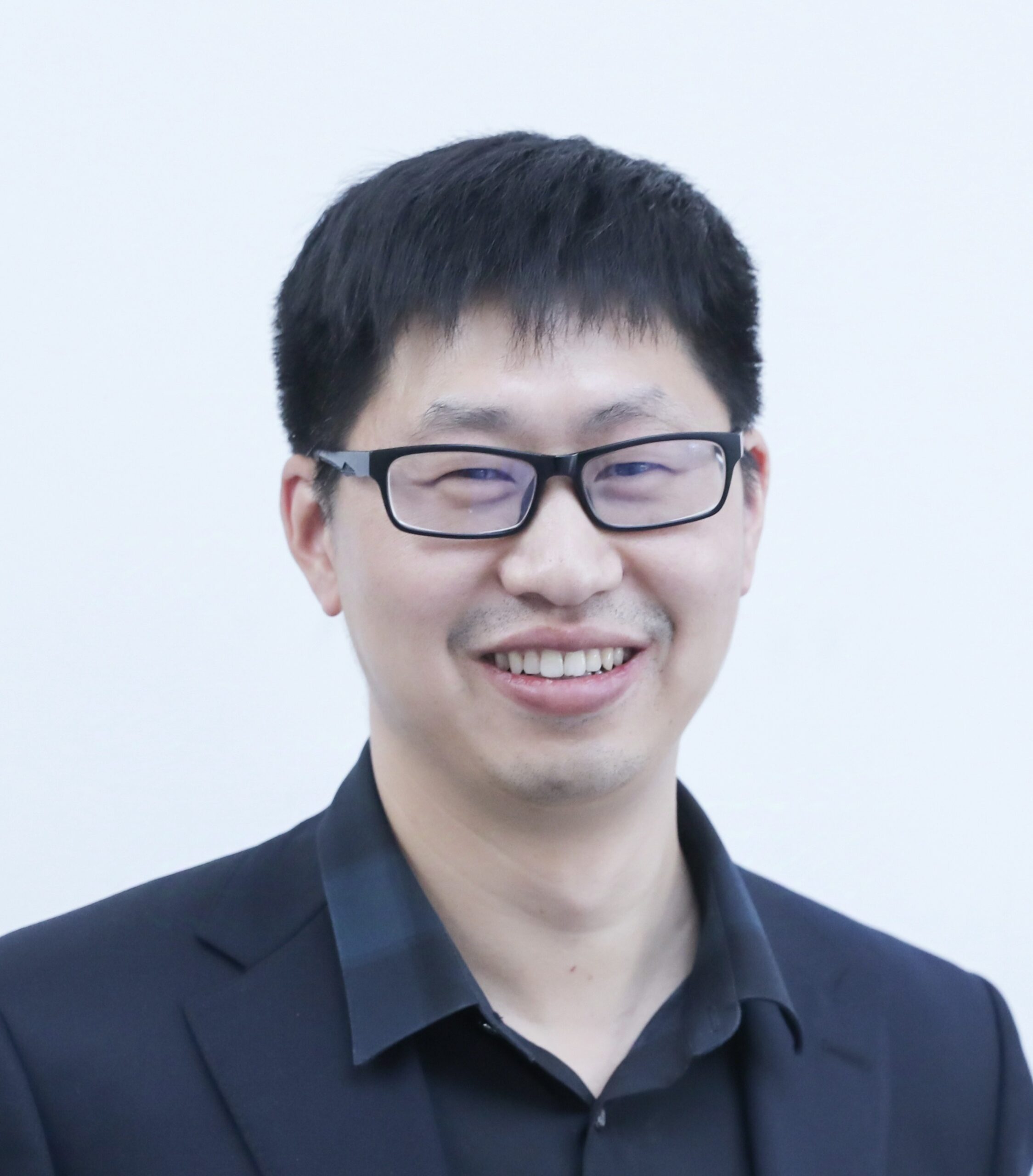
陈实 Chen,Shi
软件质量经理 | CARIAD中国
Software Quality Manager | CARIAD CHINA
演讲主题:AI在汽车软件质量保证中的应用
Topic: The Application of AI in Automotive Software Quality Assurance
查看简介与演讲摘要 / View Bio & Abstract
个人简介 / Biography
在大众集团拥有超过十年整车质量、软件质量及研发质量的工作经验。目前在CARIAD负责软件产品质量、质量方法论及售后质量。曾在CARIAD中国内部搭建伴随式软件质量保证流程与方法论,并在全球及本地项目中全面推广。
With over 10 years experience in whole vehicle, software, and R&D quality at Volkswagen Group, I currently lead software product quality, quality methodologies, and after-sales quality at CARIAD. I established the embedded software quality assurance process and methodology within CARIAD China, which has been successfully rolled out across global and local projects.
演讲内容简介 / Speech Abstract
本次演讲将围绕CARIAD在AI与质量融合方面的战略布局展开,涵盖AI管理体系、数据质量治理及AI在质量场景中的落地应用。核心观点包括:首先,针对AI产品“非确定性”特点,提出适配的质量保证方法论,强调从“验证正确性”转向“验证行为边界与鲁棒性”;其次,展示AI在故障树分析(FTA)中的创新应用。
The topic will present CARIAD’s strategic integration of AI and quality, covering AI governance, data quality management, and practical AI applications in quality scenarios. Key insights include: First, addressing the non-deterministic nature of AI products, we propose a tailored QA methodology shifting from “correctness verification” to “behavioral boundary and robustness validation.” Second, we demonstrate the innovative application of AI in Fault Tree Analysis (FTA).

Minwoo Kim
ASPICE 主任评估师 | 现代汽车
ASPICE Competent Assessor | Hyundai Motors
演讲主题:超越合规:重新审视ASPICE评估中的常见认知误区
Topic: Beyond Compliance: Rethinking Common Misconceptions in ASPICE Assessments
查看简介与演讲摘要 / View Bio & Abstract
个人简介 / Biography
ASPICE 主任评估师,在汽车ECU组件开发方面拥有丰富经验。自2015年起,在现代汽车从事ECU部件开发和软件质量管理工作,专注于推进过程质量和提升软件开发实践。
ASPICE Competent Assessor with extensive experience in automotive ECU component development. Since 2015, engaged in ECU parts development and software quality management at Hyundai Motors, with a focus on advancing process quality and enhancing software development practices.
演讲内容简介 / Speech Abstract
本次演讲探讨在SPQA项目(基于ASPICE的过程质量评估)中遇到的反复出现的误解和未解决的争论——评估标准强调最终工件,但实际工程是迭代的、不断演进的,且往往规模太大而无法完全验证。
This talk explores recurring misconceptions and unresolved debates encountered during SPQA Program (ASPICE based process quality assessments) – where assessment criteria emphasize final artifacts, but real engineering is iterative, evolving, and often too large to fully verify.

肖苗 Miao Xiao
IBM科技事业部ELM技术总监 | IBM
Technical Director, IBM Engineering Lifecycle Management (ELM), IBM Technology | IBM
演讲主题:IBM ELM筑牢可信数据底座,激活研发生命周期管理多元 AI 业务生态
Topic: IBM ELM: Building a Trusted Engineering Data Foundation to Power a Diverse AI Ecosystem Across the Engineering Lifecycle
查看简介与演讲摘要 / View Bio & Abstract
个人简介 / Biography
Miao Xiao, Technical Director, IBM Engineering Lifecycle Management (ELM), IBM Technology. She specializes in systems engineering and toolchain solutions for highly regulated industries, with extensive experience applying AI to large-scale, complex engineering projects. She actively participates in industry forums and technical exchanges.
演讲内容简介 / Speech Abstract
本次演讲将介绍 IBM ELM 如何筑牢可信数据底座,激活研发生命周期管理多元 AI 业务生态。
This presentation introduces how IBM ELM builds a trustworthy data foundation to activate a diverse AI business ecosystem for R&D lifecycle management.
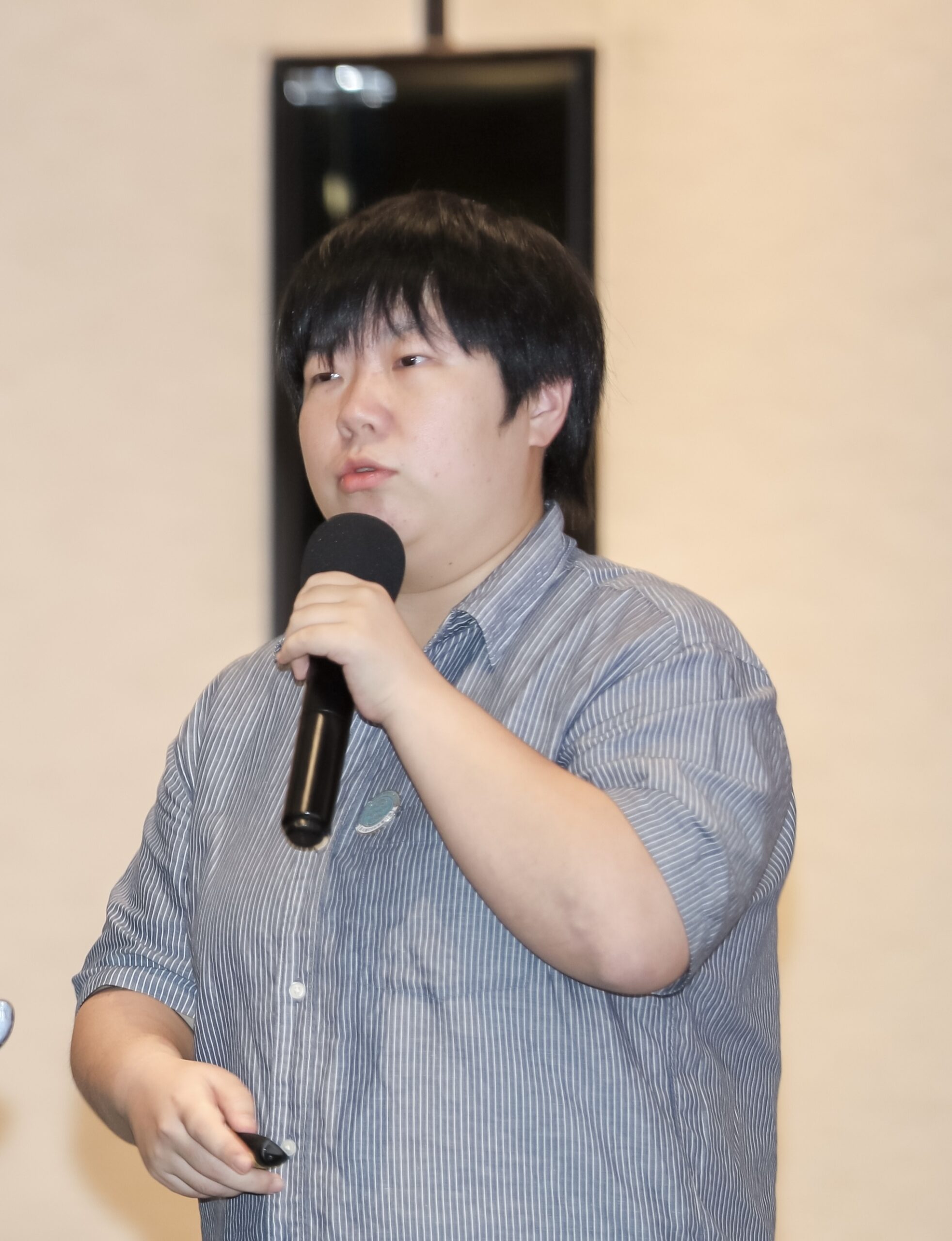
杨佳美 Jiamei Yang
高级网络安全工程师 | 零跑
Senior Cybersecurity Engineer | Leapmotor
演讲主题:AI给汽车安全活动带来的“矛与盾”
Topic: AI’s “Spear and Shield” in Automotive Cybersecurity
查看简介与演讲摘要 / View Bio & Abstract
个人简介 / Biography
拥有多年汽车行业网络安全实战经验,主机厂任职,专注智能网联汽车安全。精通威胁分析、安全架构,熟悉ISO 21434等标准法规。主导多个车型全生命周期安全项目,保障云端、车端、移动端全链路安全。善于推动安全左移与研发赋能,持CISSP/CISP认证。
With years of hands-on experience in automotive cybersecurity at an OEM, specializing in intelligent connected vehicle security. Proficient in threat analysis and security architecture, and familiar with standards such as ISO 21434. Led multiple full-lifecycle security projects across vehicle models, ensuring end-to-end security across cloud, in-vehicle, and mobile platforms. Skilled at driving shift-left security and R&D enablement. Hold CISSP and CISP certifications.
演讲内容简介 / Speech Abstract
AI正在重塑智能网联汽车的安全攻防形态。AI既是提升安全活动效率的倍增器,也引入了对抗样本、大模型注入等全新攻击面,必须从合规走向实战。1. 大模型驱动TARA自动化,加速安全左移 2. AI使能渗透测试,覆盖车、云、端未知攻击 3. 透视对抗样本与提示注入,应对供应链风险
AI is reshaping the offensive and defensive landscape of intelligent connected vehicle security. AI acts as a force multiplier for security efficiency, while also introducing entirely new attack surfaces such as adversarial examples and large model injection — making it imperative to move from compliance to real-world readiness. 1. LLM-driven TARA automation accelerates shift-left security 2. AI-powered penetration testing covers unknown attack paths across vehicle, cloud, and mobile endpoints 3. Exposing adversarial examples and prompt injection to counter supply chain risks
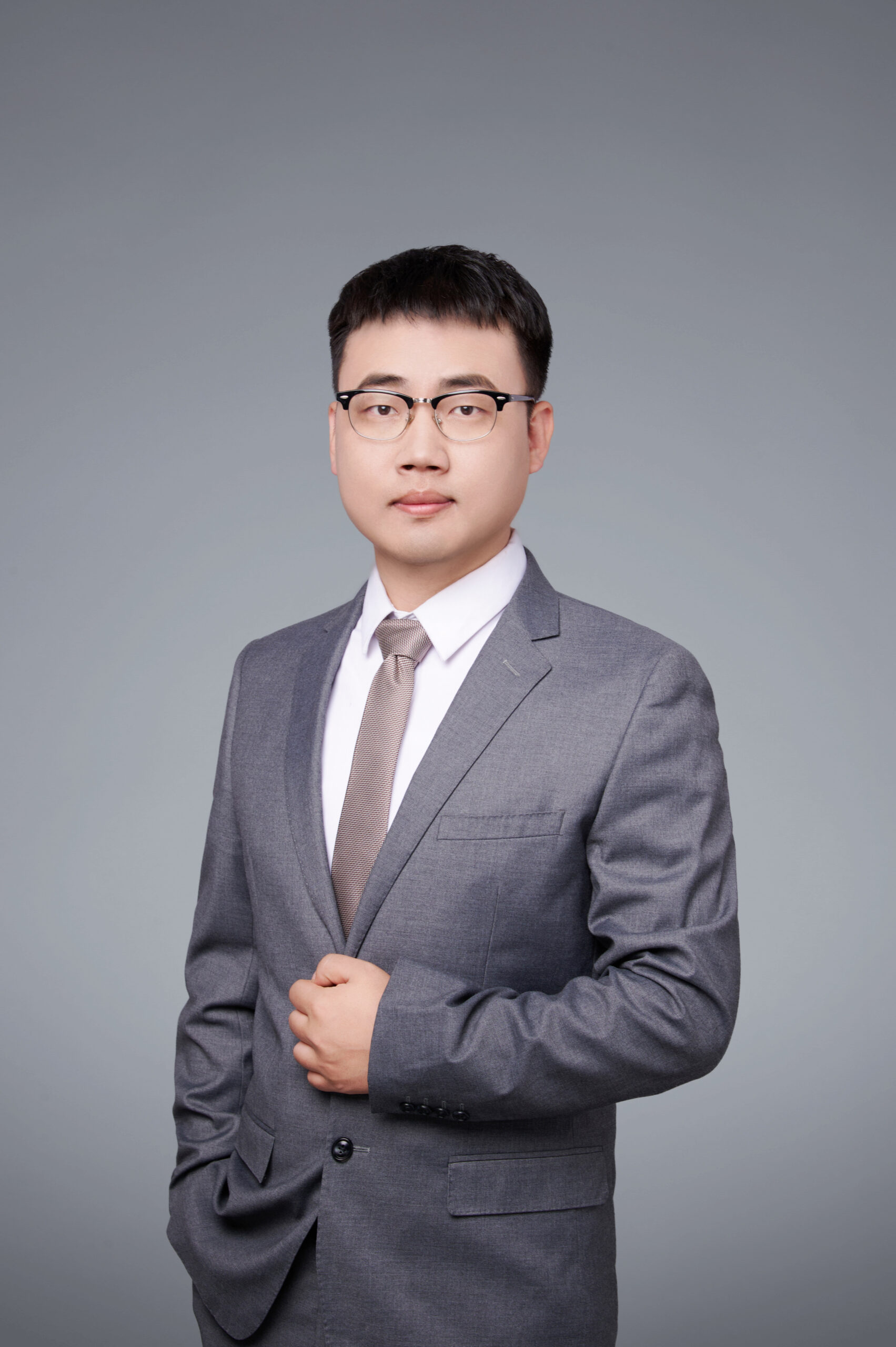
宋晓飞 Turbo Song
AI安全高级顾问 | 优力标准技术服务(上海)有限公司
AI Safety Senior Consultant | UL Solutions
演讲主题:主要国家市场的AI监管特点与模块化流程合规方案
Topic: Navigating Global AI Regulations: A Modular Compliance Framework for Software Quality, Safety, and ASPICE-Based Development
查看简介与演讲摘要 / View Bio & Abstract
个人简介 / Biography
宋晓飞(Turbo Song),UL Solutions AI安全高级顾问。2018年进入汽车行业,长期从事汽车功能安全(ISO 26262)、预期功能安全(ISO 21448/SOTIF)、软件质量及相关法规标准研究与咨询工作,对汽车智能化产品开发体系、软件过程改进与安全工程实践具有丰富经验。目前主要关注人工智能技术在汽车及智能产品领域的安全与合规应用。
Turbo Song is a Senior AI Safety Consultant at UL Solutions, specializing in automotive functional safety (ISO 26262), Safety of the Intended Functionality (ISO 21448/SOTIF), AI safety, and software quality engineering. Since entering the automotive industry in 2018, he has been actively involved in safety assurance, standards interpretation, compliance assessment, and development process improvement for intelligent and software-defined vehicle technologies.
演讲内容简介 / Speech Abstract
随着欧盟《AI Act》正式实施,以及中国、美国等主要市场持续完善人工智能监管体系,AI产品正面临越来越严格的安全、质量与合规要求。本议题将首先介绍中、美、欧主要AI监管法规的发展现状、监管特点及其对产业的影响,并结合ISO/PAS 8800、UL 4600等国际标准,分析AI安全工程与可信AI治理的核心要求。
As the EU AI Act enters into force and major markets such as China and the United States continue to strengthen their AI regulatory frameworks, organizations developing AI-enabled products are facing increasingly demanding requirements for safety, quality, governance, and compliance. This presentation will provide an overview of the evolving AI regulatory landscape across China, the United States, and Europe, highlighting key regulatory characteristics and industry impacts.
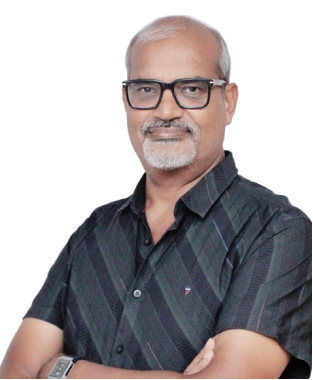
Sunil Kumar
CEO | ZooKoo Consulting Private Limited India
首席顾问 – SPICE、安全与网络安全 | intacs印度代表
CEO | ZooKoo Consulting Private Limited India
Principal Consultant – SPICE, Safety & Security
intacs Representative – India
演讲主题:自动驾驶困境:融合机器学习、功能安全和网络安全
Topic: The Autonomous Dilemma: Converging Machine Learning, Functional Safety, and Cybersecurity
查看简介与演讲摘要 / View Bio & Abstract
个人简介 / Biography
自1997年以来在过程改进方面拥有专业经验;自2005年以来一直从事Automotive SPICE工作;自2009年起成为intacs认证讲师(Competent Assessor级别),涵盖Automotive SPICE、ASPICE for Cybersecurity、ISO/IEC 15504、Agile SPICE、Data Management SPICE、Machine Learning、Hardware SPICE、Potential Analysis;自2008年起成为intacs & ARCS认证首席评估师;VW认证软件质量改进负责人(SQIL);认证汽车网络安全专业人员[ISO/SAE 21434];认证汽车功能安全专业人员[ISO 26262];工作重点:系统/软件/硬件/机械过程改进;提供集成解决方案的专家;Nippon SPICE Network Japan核心成员;组织多次Gate4SPICE会议;在多个会议担任主讲人。
Professional experience in Process Improvement – Since 1997; Working with Automotive SPICE since its inception – Since 2005; intacs Certified Instructor at Competent Assessor Level – Since 2009 for Automotive SPICE, ASPICE for Cybersecurity, ISO/IEC 15504, Agile SPICE, Data Management SPICE, Machine Learning, Hardware SPICE, Potential Analysis; intacs & ARCS Certified Principal Assessor – Since 2008 for Automotive SPICE, ASPICE for Cybersecurity, ISO/IEC 15504, Agile SPICE, Data Management SPICE, Machine Learning, Hardware SPICE, Potential Analysis; VW Certified Software Quality Improvement Leader (SQIL); Certified Automotive Cybersecurity Professional [ISO/SAE 21434]; Certified Automotive Functional Safety Professional [ISO 26262]; Working focus: System/Software/Hardware/Mechanical Process Improvement for Automotive SPICE, ASPICE for Cybersecurity, ISO/IEC 15504, Agile SPICE, Data Management SPICE, Mechanical SPICE, Machine Learning, Hardware SPICE, ISO/SAE 21434, ISO 26262, CMMI; Expert in providing integrated solution for Automotive SPICE, ASPICE for Cybersecurity, ISO/IEC 15504, Agile SPICE, Data Management SPICE, Mechanical SPICE, Machine Learning, Hardware SPICE, ISO/SAE 21434, ISO 26262, IATF 16949, CMMI; Working with other SPICE Models, as soon as they come into existence; Core member to establish Nippon SPICE Network in Japan; Organize several Gate4SPICE meetings in Japan, China and India; Keynote Speaker in VDA SYS conference China, Nippon SPICE Network conference Japan, Korean SPICE Network South Korea, China SPICE Network China, and in several Gate4SPICE meetings in China and India.
演讲内容简介 / Speech Abstract
现代自动驾驶汽车不再是确定性的机械系统;它们是高度互联的、概率性的车轮上的超级计算机。这种范式转变在三个关键工程学科之间造成了根本性摩擦:机器学习(ML)、功能安全(FuSa)和网络安全。历史上,汽车安全依赖于可预测的软件逻辑和受ISO 26262管辖的硬件可靠性。如今,“黑盒”ML感知算法的集成挑战了传统验证,要求采用新方法来证明针对不可预测的现实世界边缘情况的安全性和可靠性。同时,大规模连接扩大了车辆的攻击面,允许威胁行为者通过对抗性机器学习和传感器欺骗(ISO/SAE 21434)绕过物理安全机制。本次演讲探讨了“自动驾驶困境”——这三个领域的方法论冲突——并提供了可操作的框架来协调它们。通过检查现实世界场景,例如对感知系统的对抗性攻击,我们将说明单个安全漏洞如何瞬间级联为关键安全故障。与会者将清楚地了解如何摆脱孤立开发,统一风险评估流程,并设计能够保护下一代出行的弹性架构。关键学习目标:验证危机:为什么传统ISO 26262方法难以应对概率性ML“黑盒”,以及行业如何适应测试未知边缘情况。对抗性ML漏洞:网络威胁如何针对车辆感知系统(例如传感器欺骗)触发功能安全故障,而无需传统网络黑客攻击。协同工程风险:在车辆生命周期中,将危害分析与风险评估(HARA)与威胁分析与风险评估(TARA)对齐的策略。未来框架:冗余传感器融合和新兴标准在验证道路车辆AI安全方面的作用。
Modern autonomous vehicles are no longer deterministic mechanical systems; they are highly connected, probabilistic supercomputers on wheels. This paradigm shift creates a fundamental friction between three critical engineering disciplines: Machine Learning (ML), Functional Safety (FuSa), and Cybersecurity. Historically, automotive safety relied on predictable software logic and hardware reliability governed by ISO 26262. Today, the integration of “black box” ML perception algorithms challenges traditional validation, demanding new approaches to prove safety and reliability against unpredictable real-world edge cases. Simultaneously, massive connectivity expands the vehicle’s attack surface, allowing threat actors to bypass physical safety mechanisms via adversarial machine learning and sensor spoofing (ISO/SAE 21434). This presentation explores the “Autonomous Dilemma”—the clashing methodologies of these three domains—and provides actionable frameworks for harmonizing them. By examining real-world scenarios, such as adversarial attacks on perception systems, we will illustrate how a single security vulnerability instantly cascades into a critical safety failure. Attendees will leave with a clear understanding of how to move away from siloed development, unify risk assessment processes, and design resilient architectures capable of safeguarding the next generation of mobility. Key Learning Objectives: The Validation Crisis: Why traditional ISO 26262 methodologies struggle with probabilistic ML “black boxes” and how the industry is adapting to test for unknown edge cases. Adversarial ML Vulnerabilities: How cyber threats target vehicle perception systems (e.g., sensor spoofing) to trigger functional safety failures without traditional network hacking. Co- Engineering Risk: Strategies for aligning Hazard Analysis and Risk Assessment (HARA) with Threat Analysis and Risk Assessment (TARA) during the vehicle lifecycle. Future Frameworks: The role of redundant sensor fusion and emerging standards in verifying the safety of AI in road vehicles.
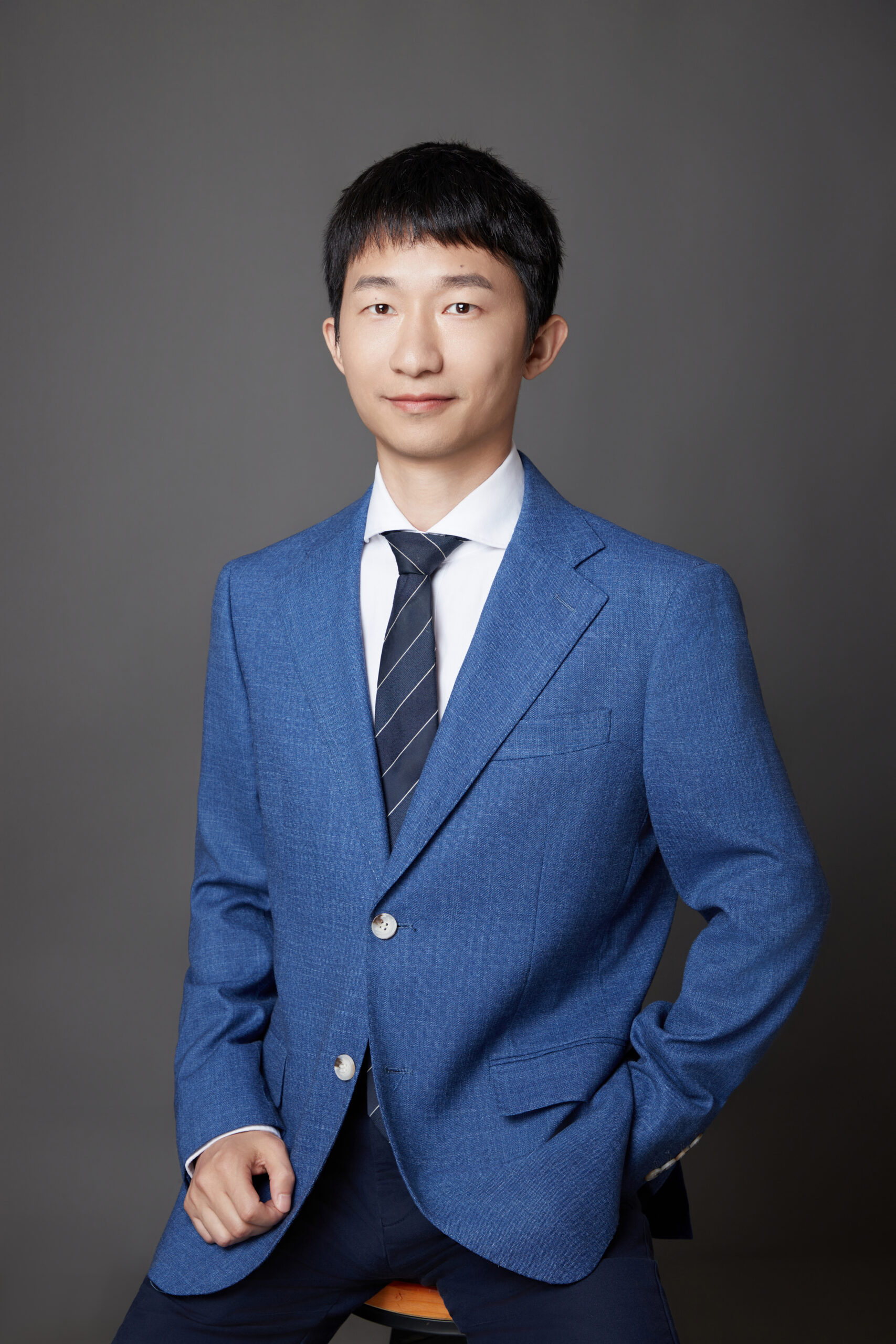
戴兵 Colin Dai
功能安全产品专家 | 倍睿软件(上海)有限公司
Functional Safety Product Manager | Parasoft (Shanghai) Co., Ltd.
演讲主题:AI 智能体赋能软件合规与自动化测试
Topic: AI‑Agent‑Empowered Software Compliance & Automated Testing
查看简介与演讲摘要 / View Bio & Abstract
个人简介 / Biography
戴兵,现任 Parasoft 中国功能安全产品专家,深耕嵌入式软件质量、汽车功能安全与 AI 软件测试领域十余年。长期面向汽车电子、工业控制行业,主导众多车企与零部件企业的自动化测试落地项目,深度熟悉 ISO 26262、MISRA、ISO/SAE 21434 等车规标准,精通静态代码分析、单元测试、AI 模型软件验证技术。
Colin Dai, Functional Safety Product Manager at Parasoft China. With over ten year experience in embedded software quality, automotive functional safety and AI oriented software testing, he has led multiple automation testing implementation projects for OEMs and auto suppliers. He is well versed in automotive standards including ISO 26262, MISRA and ISO/SAE 21434, and proficient in static code analysis, unit testing and AI model validation.
演讲内容简介 / Speech Abstract
本次分享围绕安全攸关软件面临的功能安全合规挑战,介绍 Parasoft 依托三十余年嵌入式测试积累,将 AI 智能体融入传统软件测试链路的落地方案。面对 ISO 26262、IEC 61508、MISRA 等严苛车规与工业标准,传统测试存在人工成本高、测试用例编写繁琐、告警误报多、合规证据整理繁重等痛点。
This presentation addresses functional‑safety compliance pain‑points for safety‑critical software, introducing Parasoft’s practical solution that integrates AI‑agents into automated testing, built on over 30‑year expertise in embedded software testing. Faced with rigorous automotive and industrial standards such as ISO 26262, IEC 61508 and MISRA, conventional testing suffers from high manual effort for test‑case creation, massive false‑positive alerts and heavy workload for compliance evidence compilation.
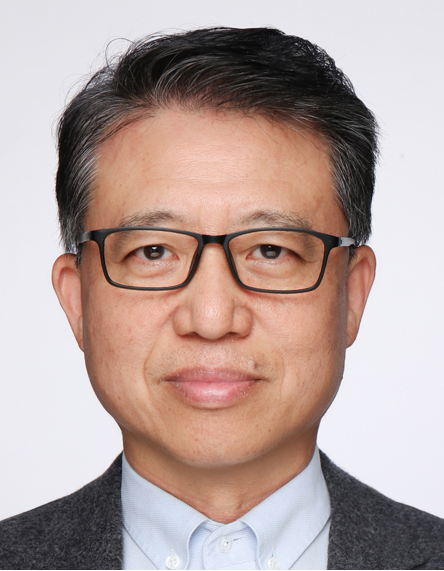
陈剑华 Jianhua Chen
质量负责人 | CARIAD中国
Head of Corporate Quality | CARIAD CHINA
演讲主题:做好软件研发的质量管理是企业和行业可持续发展的重要保证
Topic: Software R&D Quality Management: Safeguarding Sustainable Development for Enterprises and Industries
查看简介与演讲摘要 / View Bio & Abstract
个人简介 / Biography
陈剑华,自2022年6月起担任CARIAD中国质量负责人,领导软件质量管理的全面创新,遵循“在中国,为中国”战略。拥有30余年汽车行业经验,专长涵盖制造、供应商管理、质量管理等领域。在VW集团质量部门工作20余年,领导跨国和地区的组织。
Head of Corporate Quality CARIAD China since June 2022. Leading holistic innovation of Software Quality Management following ‘In China for China’ strategy. 30+ years in Automotive industry, expertise domain covering manufacturing, supplier management, quality management, etc. 20+ years in VW Group Quality department, leading organizations across countries and regions.
演讲内容简介 / Speech Abstract
随着软件定义汽车越来越成为智能汽车发展的主流,整个行业的讨论重点始终围绕着“快速交付”、“缩短研发周期”、“智驾 Level 3”、“AI 在软件研发中的广泛应用”……这些话题。而质量虽然在各种宏大叙事中仍然会被反复提及,但更像是例行公事的口号。在这个快速迭代的时代,提质量管理——尤其是汽车软件研发的质量管理——是不是还有意义?质量管理和质量保证是软件研发的阻尼器还是加速器?质量管理仅仅是对顾客利益的重视还是对企业本身的利益也有重大的意义?我们国内近3、5年的实践是否证明了“欧美近百年的汽车制造的质量管理理论和实践”是否已经过时了?这些只是paperwork?发表者尝试从质量管理的历史发展、从文化差异的层面、从可持续发展的角度和企业社会责任的角度来诠释如何理解和解答上面这些问题。
As software-defined vehicles become the mainstream of intelligent vehicle development, industry discussions focus on “rapid delivery”, “shortening development cycles”, “Level 3 autonomous driving”, and “widespread application of AI in software R&D”. Quality is still mentioned repeatedly in grand narratives, but often becomes a routine slogan. In this era of rapid iteration, is quality management—especially quality management for automotive software R&D—still meaningful? Is quality management and quality assurance a damper or an accelerator for software R&D? Is quality management only about customer interests, or does it also have significant implications for the enterprise itself? Has our domestic practice in the past 3-5 years proven that the “nearly 100 years of quality management theory and practice in European and American automotive manufacturing” is outdated? Is it just paperwork? The speaker attempts to interpret and answer these questions from the historical development of quality management, cultural differences, sustainable development, and corporate social responsibility.

王方方 Fangfang Wang
Expert of Trustworthy AI | Nvidia
演讲主题:智驾系统中的可信AI
Topic: Trustworthy AI in ADS system
查看简介与演讲摘要 / View Bio & Abstract
个人简介 / Biography
Master of Engineering&Management,Doctor of Trustworthy AI, 17 years+ experience of System&software robustness/quality/Safety
演讲内容简介 / Speech Abstract
Today we focus on Trustworthy AI in Automated Driving Systems (ADS), a core priority as high-level autonomous vehicles move from test tracks to public roads. Unlike traditional rule-based automotive software, ADS AI relies on deep learning trained on massive driving data, which brings inherent uncertainties: it may fail at rare un-trained “edge cases”, produce unexplainable decisions in complex urban scenarios, or act inconsistently across changing weather and regional traffic norms. These hidden vulnerabilities have triggered safety incidents, eroding public trust and slowing large-scale intelligent driving deployment.
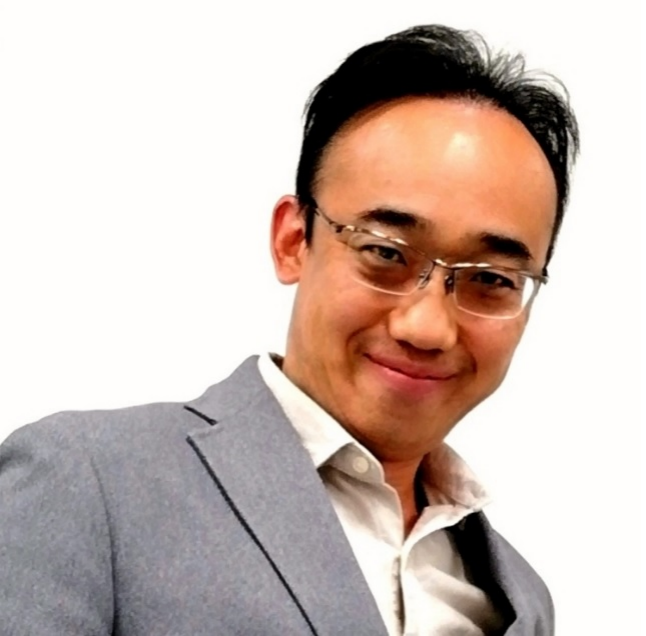
新海喜和 Yoshikazu Shinkai
首席过程顾问 | 日立解决方案株式会社
Chief Process Consultant | Hitachi Solutions, Ltd.
演讲主题:AI辅助的Automotive SPICE评估:提升评估的效率、质量、一致性与可重复性
Topic: AI-Assisted Automotive SPICE Assessments: Improving Efficiency, Quality, Consistency and Repeatability of the Assessment
查看简介与演讲摘要 / View Bio & Abstract
个人简介 / Biography
新海喜和(Yoshikazu Shinkai)是日立解决方案株式会社的首席过程顾问,在软件开发、系统工程、技术管理和汽车过程改进方面拥有丰富经验。加入日立解决方案后,他从事UNIX操作系统及中间件技术(包括RPC和名称服务器解决方案)的开发。在密歇根大学计算机科学与工程系进行研究后,他从事软硬件开发、系统工程以及专有协作解决方案(包括交互式白板和远程会议系统)的产品管理工作。他还曾担任日立解决方案美国公司的技术经理三年。目前,他作为Automotive SPICE首席评估师提供全球咨询、评估和培训服务。他支持过日本、中国、韩国、美国、德国、英国和越南的OEM、大型一级供应商、一级和二级供应商。他的专长包括Automotive SPICE实施、组织标准过程开发、功能安全、网络安全、质量保证和工程过程组(EPG)计划。近年来,他专注于帮助组织建立符合Automotive SPICE的开发流程并部署“codebeamer” ALM环境,实现高效的流程执行、可追溯性管理、合规性以及全球开发项目的持续改进。
I am a Chief Process Consultant at Hitachi Solutions with extensive experience in software development, systems engineering, technical management, and automotive process improvement. Since joining Hitachi Solutions, I have been engaged in the development of UNIX operating systems and middleware technologies, including RPC and name server solutions. Following research at the Department of Computer Science and Engineering at the University of Michigan, I worked on hardware and software development, systems engineering, and product management for proprietary collaboration solutions, including interactive whiteboards and remote conferencing systems. I also served as a Technical Manager at Hitachi Solutions America for three years. Currently, I provides global consulting, assessment, and training services as an Automotive SPICE Principal Assessor. I have supported OEMs, Mega Tier-1s, Tier-1s, and Tier-2 suppliers across Japan, China, Korea, the United States, Germany, the United Kingdom, and Vietnam. My expertise includes Automotive SPICE implementation, organizational standard process development, functional safety, cybersecurity, quality assurance, and Engineering Process Group (EPG) initiatives. In recent years, I have focused on helping organizations establish Automotive SPICE- compliant development processes and deploy “codebeamer” ALM environments, enabling efficient process execution, traceability management, compliance, and continuous improvement across global development programs.
演讲内容简介 / Speech Abstract
由于开发制品快速增长、文档格式多样化以及开发进度日益紧张,Automotive SPICE (ASPICE) 评估变得更具挑战性。开发团队经常花费大量精力准备证据并支持评估活动,而评估师则面临在评估过程中保持一致性、完整性和客观性的挑战。这些问题增加了评估成本和开发项目的运营负担。本次演讲介绍一种AI辅助的ASPICE评估方法,可自动将ASPICE PAM v4.0要求映射到项目工作产品,生成评级结果,并为每个判断提供可解释的理由。目标不仅是提高评估效率,还将ASPICE评估从孤立的合规活动转变为直接支持开发团队的持续改进机制。该方法集成了四项能力:自动理解ASPICE要求、识别相关工作产品和证据、自动生成评级以及可重复的评估执行。通过待批专利的输入数据结构化、不一致性消除和输入/输出控制技术,在评估基于自然语言的项目制品时,评级一致性从22.4%提高到85.2%。此外,该方法能自动识别支持性证据、文档章节以及每个评估结果背后的理由,显著提高了透明度和可解释性。这项工作的一个关键贡献是将AI辅助评估整合到ASPICE改进周期中。AI不仅用于正式评估活动,还应用于整个生命周期,包括初始GAP分析、预评估审查、针对既定流程的合规性验证、正式评估准备以及后续改进活动。这使开发团队能够更早地识别合规差距,优先安排改进措施,并在正式评估之前持续监控项目状态与ASPICE期望的符合程度。
Automotive SPICE (ASPICE) assessments have become increasingly challenging due to the rapid growth of development artifacts, diversification of document formats, and tighter development schedules. Development teams often spend significant effort preparing evidence and supporting assessment activities, while assessors face challenges in maintaining consistency, completeness, and objectivity across evaluations. These issues increase both assessment costs and the operational burden on development projects. This presentation introduces an AI-assisted ASPICE assessment approach that automatically maps ASPICE PAM v4.0 requirements to project work products, generates rating results, and provides explainable rationale for each judgment. The objective is not only to improve assessment efficiency but also to transform ASPICE assessments from isolated compliance activities into a continuous improvement mechanism that directly supports development teams. The proposed approach integrates four capabilities: automatic understanding of ASPICE requirements, identification of relevant work products and evidence, automated rating generation, and repeatable assessment execution. Through patent-pending techniques for input-data structuring, inconsistency removal, and input/output control, rating consistency was improved from 22.4% to 85.2% when evaluating natural-language-based project artifacts. Furthermore, the approach automatically identifies supporting evidence, document sections, and the rationale behind each assessment result, significantly improving transparency and explainability. A key contribution of this work is the integration of AI-assisted assessment into the ASPICE improvement cycle. Rather than using assessments only as formal evaluation events, AI is applied throughout the lifecycle, including initial GAP analysis, pre-assessment reviews, compliance verification against defined processes, preparation for formal assessments, and follow-up improvement activities. This allows development teams to identify compliance gaps much earlier, prioritize improvement actions, and continuously monitor project status against ASPICE expectations before official assessments are conducted.
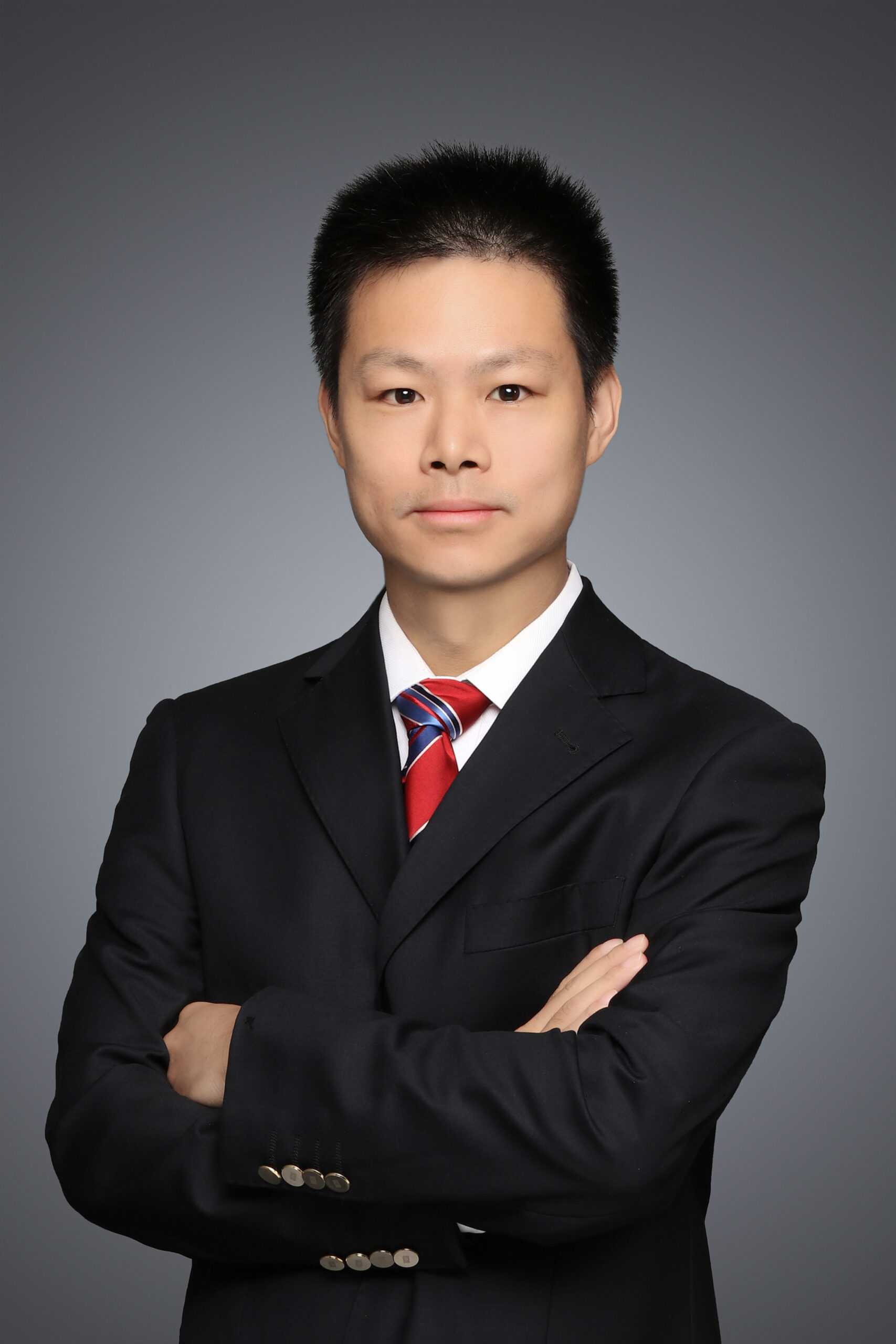
王安宇 WANG ANYU
Fellow、首席技术官 | 云安全联盟大中华区
Fellow and CTO | Cloud Security Alliance Great China Region
演讲主题:从智能驾驶安全到移动物理AI安全
Topic: From Automated Driving Safety to Mobile Physical AI Safety
查看简介与演讲摘要 / View Bio & Abstract
个人简介 / Biography
王安宇,云安全联盟大中华区 Fellow、首席技术官。有 20 余年信息与通信产业工作经验,主要研究领域为智能终端安全、AI安全与合规、云与基础设施安全、数据安全。曾任OPPO移动终端安全总经理,负责OPPO数亿手机全球安全合规交付。曾任华为首席数据安全架构师、资深网络安全架构师等职务,负责构筑华为2G~5G多项产品与解决方案、Mate20,P20等旗舰手机的安全竞争力。担任复旦国金时空研究中心副主任、WDTA AI STR 国际开放实验室副主任等行业职务。主编和参编《数据安全领域指南》《预见6G》《人工智能伦理与安全》”Data Security and Privacy Protection”等十余本中英文书籍。拥有20多篇ICT发明专利,具备广泛和积极的行业影响力。
Anyu Wang is a Fellow and the Chief Technology Officer of the Cloud Security Alliance (CSA) Greater China Region. With over 20 years of experience in the information and communications technology (ICT) industry, his research focuses on intelligent terminal security, AI security and compliance, cloud and infrastructure security, and data security. Previously, Wang served as General Manager of Mobile Terminal Security at OPPO, where he led global security compliance delivery for hundreds of millions of smartphones. Before that, he held key roles at Huawei, including Chief Data Security Architect and Senior Cybersecurity Architect.
演讲内容简介 / Speech Abstract
主旨:智能汽车已进入AI深度驱动时代,但算法偏见、对抗攻击、数据泄露与供应链风险正成为公共安全新挑战。世界数字技术院(WDTA)以“安全、可信、负责任”为核心理念,率先构建全球首个AI安全国际标准体系,旨在为汽车行业提供系统化治理框架,让AI创新与安全同行。核心观点:安全是智能汽车规模化落地的信任基石,标准必须从通用基准向垂直行业动态演进。AI安全治理需覆盖全生命周期——从数据采集、模型训练、仿真验证到OTA升级与退役,实现“事前预防、事中监控、事后追溯”。
Theme: Intelligent vehicles are now deeply driven by AI, yet algorithmic bias, adversarial attacks, data leaks, and supply chain vulnerabilities pose emerging public safety threats. The World Digital Technology Academy (WDTA), guided by the principles of “Safe, Trustworthy, and Responsible,” has pioneered the world’s first international AI safety standards system, aiming to provide a systematic governance framework for the automotive industry—ensuring innovation goes hand in hand with safety. Core Messages: Safety is the cornerstone of trust for mass adoption of intelligent vehicles; standards must evolve dynamically from general benchmarks to vertical-sector specifics. AI safety governance must cover the entire lifecycle.

Lakshmi Govindaraj
系统与软件质量经理 | 大众汽车股份公司,德国沃尔夫斯堡
System and Software Quality Manager | Volkswagen AG, Wolfsburg, Germany
演讲主题:在SDV时代引领质量
Topic: Steering Quality in the Age of SDVs
查看简介与演讲摘要 / View Bio & Abstract
个人简介 / Biography
Lakshmi Govindaraj女士是汽车研发专家,拥有超过16年的OEM和供应商生态系统经验。专注于系统与软件工程、质量和合规的交叉领域,她是认证的ASPICE Competent Assessor,拥有超过200次全球评估的记录。她还持有TÜV SÜD Level 2功能安全专家和VDA 6.3审核员认证,曾指导组织进行网络安全管理体系(CSMS)。因其技术和组织创新而受到认可,她拥有大众汽车车辆子系统安全设计专利申请奖和博世青年成就奖等。她拥有计算机科学学士学位,热衷于跨行业流程优化和建设性技术交流。
Mrs. Lakshmi Govindaraj is an automotive R&D expert with over 16 years of experience spanning OEM and supplier ecosystems. Specializing in the intersection of system & software engineering, quality, and compliance, they are a certified ASPICE Competent Assessor with a track record of over 200 global assessments. Mrs. Lakshmi Govindaraj also holds certifications as a TÜV SÜD Level 2 Functional Safety Professional and VDA 6.3 Auditor, formerly coaching organizations on Cybersecurity Management Systems (CSMS). Recognized for technical and organizational innovations, they hold a Volkswagen patent application award for vehicle subsystem security design and a Bosch Young Achiever award among others. They hold a Bachelor’s degree in Computer Science and are passionate about cross-industry process optimization and constructive technical exchange.
演讲内容简介 / Speech Abstract
向软件定义汽车(SDV)的转型需要汽车质量管理发生根本性转变。传统工程依赖于静态的、以硬件为主的时间线,并在量产(SOP)时结束。然而,现代车辆作为活的生态系统运行,需要通过OTA更新进行持续的发布后优化。本次演讲介绍了一个战略框架,以协调快速敏捷的软件开发与ASPICE v4.0的严格合规要求。通过在CI/CD管道中用自动化质量门取代人工审查,工程组织可以消除能力瓶颈,通过基于云的模拟绕过物理硬件限制,并建立持续的审计准备。此外,我们展示了平台工程和模块化过程资产复用如何安全地压缩开发周期,将合规从官僚障碍转变为交付速度的驱动力。
The transition to Software-Defined Vehicles (SDVs) requires a fundamental shift in automotive quality management. Traditional engineering relies on static, hardware-dominated timelines that conclude at the Start of Production (SOP). However, modern vehicles operate as living ecosystems requiring continuous, post-launch optimization via Over-the-Air (OTA) updates. This presentation introduces a strategic framework to harmonize rapid, agile software development with the rigorous compliance demands of ASPICE v4.0. By replacing manual reviews with automated quality gates in CI/CD pipelines, engineering organizations can eliminate capacity bottlenecks, bypass physical hardware constraints through cloud-based simulations, and establish continuous audit-readiness. Furthermore, we demonstrate how platform engineering and modular process asset reutilization compress development cycles safely, transforming compliance from a bureaucratic hurdle into a driver of delivery velocity.
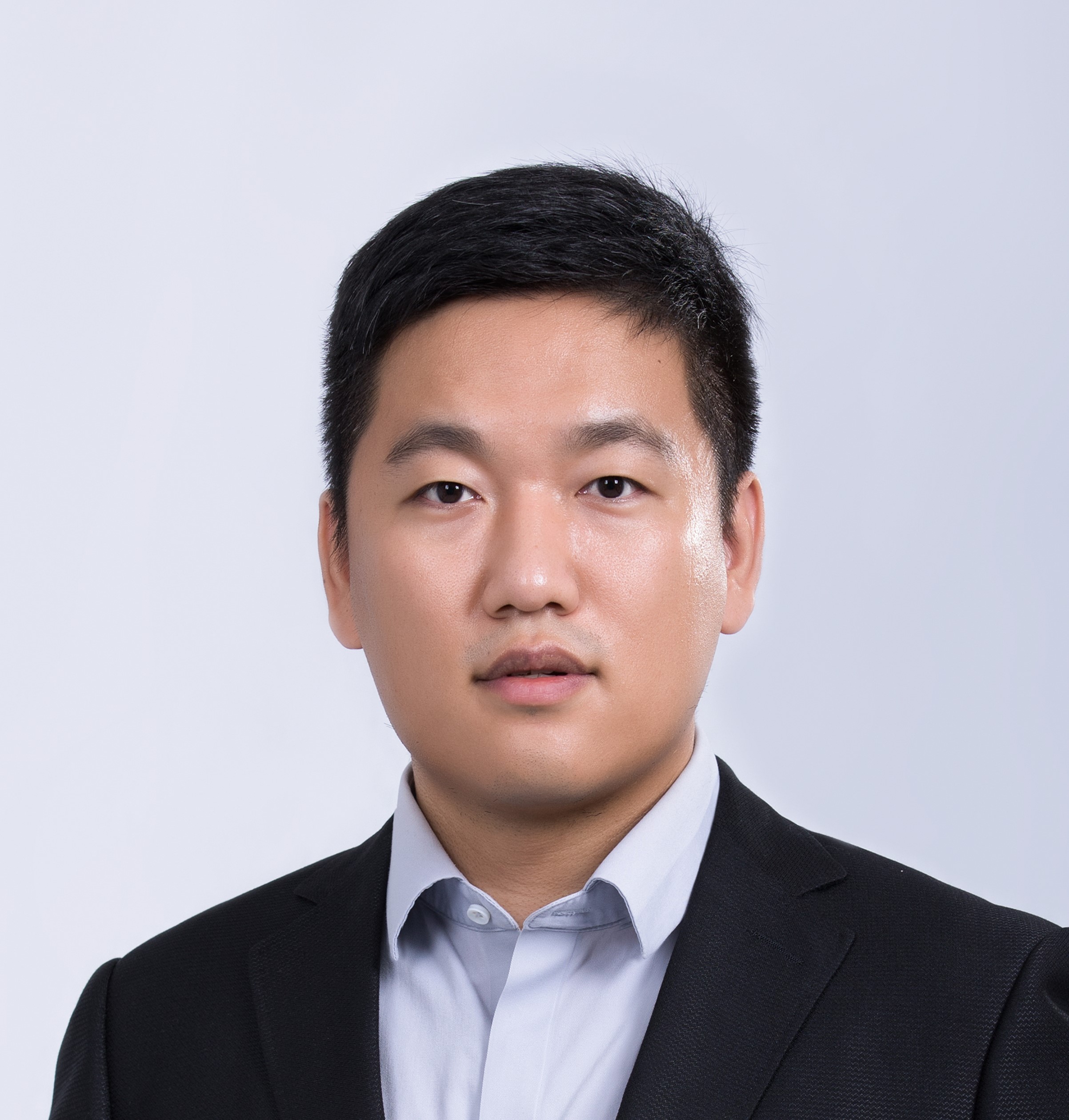
彭玉合 Peng Yuhe
技术专家 | intacs工作组 – 功能安全 悠牧矻信息科技(上海)有限公司
Technical Expert | Intacs WG Functional Safety UMovcom Information Technology (Shanghai) Inc
演讲主题:搭建Automotive SPICE评估和功能安全审核之间的桥梁
Topic: Crossing the bridge between Automotive SPICE Assessments and Functional Safety Audits
查看简介与演讲摘要 / View Bio & Abstract
个人简介 / Biography
毕业于新加坡南洋理工大学计算机专业,硕士研究课题是计算机视觉相关领域的应用。曾经在蔚来汽车,TUV 南德,新加坡大陆汽车电子,南洋理工大学工作。目前作为技术专家在悠牧矻工作, 有丰富的功能安全,网络安全,ASPICE和软件开发经验。Intacs认证的ASPICE首席评估师。Intacs功能安全工作组成员。
Graduated from Nanyang Technological University majored in Computer. The Master Research area is about computer vision. Having been working in NIO, TUV SUD, Continental Automotive Singapore, Nanyang Technological University. Rich experience in Functional Safety, Cybersecurity Security, ASPICE and Software development. Currently working in UMovcom as technical expert. Intacs Certified ASPICE Principal Assessor, Member of intacs Working Group Functional safety.
演讲内容简介 / Speech Abstract
功能安全(ISO 26262)在汽车产业中具有重要作用。行业对标准化功能安全审核流程、以判定功能安全相关过程质量的需求日益增强。本报告介绍了开展 ASPICE 评估与功能安全审核的不同方法,并进一步提出并说明了集成评估模型的概念。
The functional safety (ISO26262) plays an important role in automotive industry. The demand to standardize the functional safety audit process determining the process quality in functional safety is increasing. In this presentation, the different approaches to conduct ASPICE assessment as well as functional safety audit introduced. Furthermore, the concept of integrated assessment model proposed and explained.
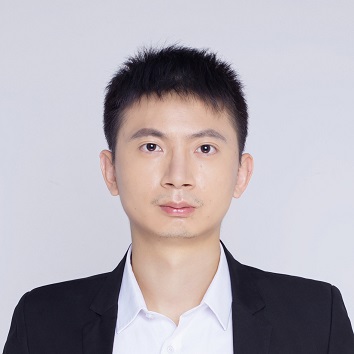
李蕾 LI LEI
电驱产品线总监 | 珠海英搏尔电气股份有限公司
Director of eDrive Product Line | Zhuhai Enpower
演讲主题:AI时代的ASPICE:从评估框架到工程Harness
Topic: ASPICE in the AI Era: From Assessment Framework to Engineering Harness
查看简介与演讲摘要 / View Bio & Abstract
个人简介 / Biography
十余年汽车电子及电驱动产品研发经验。现任英搏尔电驱产品线总监,软件平台部总监,长期负责电驱产品研发、软件平台建设、技术创新及研发团队管理,主导功能安全、ASPICE等研发体系建设及多款核心产品开发量产,在电驱技术、软件研发体系领域拥有丰富实践经验。
With over 10 years of experience in automotive electronics and e-drive development, currently serves as Director of the E-Drive Product Line and Software Platform Department at Enpower. Led functional safety and ASPICE system development, as well as the development and mass production of multiple key products, with extensive experience in e-drive technology and software development.
演讲内容简介 / Speech Abstract
面对不断缩短的汽车软件开发周期,AI的价值不应止于生成需求、代码和测试。本演讲提出以ASPICE作为工程Harness,引导AI拆解任务、组织开发与评审,并依据追溯链完成影响分析、变更实施和验证闭环,从而兼顾交付效率、产品质量与过程合规。
As automotive software development cycles continue to shorten, the value of AI should extend beyond generating requirements, code, and tests. This presentation proposes using ASPICE as an engineering harness to guide AI in task decomposition, development coordination, and reviews, while leveraging traceability links to perform impact analysis, implement changes, and close the verification loop—thereby balancing delivery efficiency, product quality, and process compliance.
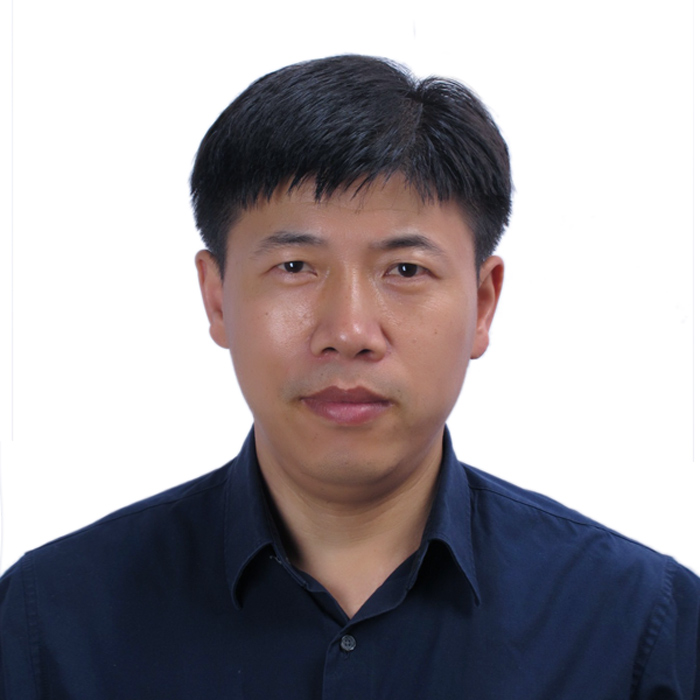
周小辉 Michael Zhou
总经理 | 北京融工场科技有限公司
CEO | Beijing TeamLive Works Technology Co.,Ltd
演讲主题:AI驱动的研发管理:融合ASPICE、ISO26262、ISO21434和8800的需求与测试智能化实践
Topic: AI-Driven R&D Management: Integrating ASPICE, ISO 26262, ISO 21434, and 8800 into Intelligent Requirements & Testing Practices
查看简介与演讲摘要 / View Bio & Abstract
个人简介 / Biography
周小辉(Michael)拥有近20年跨行业、跨角色的丰富职业经历,先后担任研发工程师、技术负责人、咨询顾问及CEO。他与全球优秀的工程师、咨询顾问及商务精英紧密协作,积累了汽车、国防、医疗设备、金融与电信等多领域实战经验,精通ASPICE、ISO 26262、CMMI/GJB5000B、IEC 62304、SCRUM/SAFe、LEAN、IPD等主流研发与质量体系。
Michael Zhou has nearly 20 years of diverse professional experience spanning R&D engineer, team leader, consultant, and CEO. Working alongside talented engineers, consultants, and business professionals from around the globe, he has accumulated deep cross‑industry expertise in automotive, defense, medical devices, finance, and telecommunications. His methodological toolkit covers ASPICE, ISO 26262, CMMI/GJB5000B, FDA, IEC 62304, SCRUM/SAFe, LEAN, and IPD.
演讲内容简介 / Speech Abstract
1、背景与挑战 汽车软件的复杂度呈指数级增长,研发团队同时面临ASPICE过程质量、ISO 26262功能安全、ISO 21434网络安全等多重标准的合规压力。2024年12月,ISO发布了全球首个道路车辆AI安全标准ISO/PAS 8800,标志着AI系统的安全治理正式被纳入标准化框架。如何融合这四套标准、借助AI技术实现研发管理的智能化升级,成为行业亟待破解的课题。
1. Background and Challenges The complexity of automotive software is growing exponentially, and R&D teams face the compliance burden of multiple standards simultaneously: ASPICE, ISO 26262, and ISO 21434. In December 2024, ISO released ISO/PAS 8800, the world’s first standard for AI safety in road vehicles, signaling that AI system safety governance has officially entered the standardization framework. How to integrate these four standards and leverage AI to upgrade R&D management intelligently has become an urgent industry challenge.
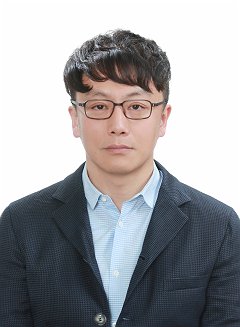
Hyung-Ho Kim
联合创始人 & CTO | SolutionLink
Co-founder & CTO | SolutionLink
演讲主题:兼顾敏捷和严谨:面向汽车开发的一致性序图文本化敏捷建模
Topic: Bridging Agility and Rigor: Agile Text-Based Modeling for Consistent Sequence Diagram Modeling in Automotive Development
查看简介与演讲摘要 / View Bio & Abstract
个人简介 / Biography
Hyung-Ho Kim 是 Solutionlink 的联合创始人兼 CTO,该公司是一家总部位于韩国的咨询公司,成立于2000年,专注于系统和软件工程。在超过25年的时间里,他领导了针对主要汽车OEM和供应商(包括现代汽车、摩比斯、万都、LG电子VS等)的安全关键咨询项目,帮助这些系统从概念走向量产。他拥有韩国科学技术院(KAIST)计算机科学博士学位(硕士也毕业于KAIST)和西江大学学士学位。他目前专注于汽车系统的安全与故障可运行架构设计及安全分析,工作在功能安全、系统工程和下一代车辆架构的交叉领域。
Hyung-Ho Kim serves as Cofounder and CTO of Solutionlink, a South Korea–based consulting firm specializing in systems and software engineering, established in 2000. Over more than 25 years he has led safety-critical consulting projects for major automotive OEMs and suppliers—including Hyundai Motors, Mobis, Mando, and LGE VS—helping bring these systems from concept to production. He holds a Ph.D. in Computer Science from KAIST (M.S. also from KAIST) and a B.S. from Sogang University. His current focus is on safe and fail-operational architecture design and safety analysis for automotive systems, working at the intersection of functional safety, systems engineering, and next-generation vehicle architectures.
演讲内容简介 / Speech Abstract
汽车系统开发要求严格的纪律,而图形模型——尤其是序列图——在减少沟通误解方面发挥着关键作用。然而手工绘制它们成本高昂,而像PlantUML或Mermaid这样的基于文本的替代方案虽然更快,却难以在图表之间强制一致性。本次演讲介绍一种用于基于文本的序列图建模的领域特定语言,可自动检查跨文件一致性。它作为VS Code扩展实现,可在编辑文本时实时预览图表,并通过其应用集成直接同步到Confluence页面——支持敏捷迭代而不牺牲严谨性。由于模型保持纯文本,它们也易于被LLM分析和修改。我们将分享将LLM应用于这种基于文本的建模工作流的早期结果。
Automotive system development demands rigorous discipline, and graphical models—especially sequence diagrams—play a key role in reducing miscommunication. Yet authoring them by hand is costly, and text-based alternatives like PlantUML or Mermaid, while faster, struggle to enforce consistency across diagrams. This talk presents a Domain-Specific Language for text-based sequence diagram modeling that checks cross-file consistency automatically. Implemented as a VS Code extension, it offers live diagram preview as text is edited, and syncs directly to Confluence pages via its app integration—supporting agile iteration without sacrificing rigor. Because models remain plain text, they are also readily analyzed and modified by LLMs. We’ll share early results applying LLMs to this text-based modeling workflow.

卓晓玲 Karen Ling
可靠性工程师 | 宁德时代新能源科技股份有限公司
Reliability Engineer | CATL
演讲主题:过程与工程的碰撞:BMS软件质量保证经验总结
Topic: When Process Meets Engineering: Lessons from BMS Software Quality Assurance
查看简介与演讲摘要 / View Bio & Abstract
个人简介 / Biography
MSc in Robotics, University of Bristol, UK. Currently leading ASPICE-related initiatives at CATL, including project audits and process development, with extensive hands-on experience in automotive software quality assurance.
演讲内容简介 / Speech Abstract
ASPICE and function safety have become the industry standard, but having a process is not the same as having quality. True quality assurance emerges from constant negotiation between process discipline and engineering reality. This presentation will share challenges and engineering decisions from BMS projects. 1.The “One Code, Two Data” Architectural Design 2.Safety Classification with “Substantive Compatibility” 3.Combinatorial Explosion Management in Practice

Ruchi Pathak
顾问 | IQI Consulting Services Pvt. Ltd.
Consultant | IQI Consulting Services Pvt. Ltd.
演讲主题:从束缚到解脱:将“无名(Agyan)到至乐(Anand)”的七个阶段转化为“无过程到过程卓越”
Topic: Translating 7 Stages of bondage to liberation “i.e., Ignorance (Agyan) to Rejoice (Anand)” into “No-Process to Process Excellence”
查看简介与演讲摘要 / View Bio & Abstract
个人简介 / Biography
我在IQI-India工作了超过10年。IQI是一家成立于2010年的咨询组织,专注于管理咨询、业务流程改进、业务连续性和质量管理服务,使用Automotive SPICE®、CMMI®、功能安全和网络安全等模型/标准。作为计算机科学毕业生和工商管理硕士,我负责管理客户账户,包括沟通、行政和财务活动。我不断努力根据客户需求提供最佳服务,并确保满足模型或标准的要求。我还确保我们的顾问、培训师和评估师除了精通模型/标准外,还熟悉最新方法论,理解模型意图并转化为客户环境以支持实施。
I am working with IQI-India since more than 10 years. IQI is a consulting organization established in 2010, specializing in Management Consulting, Business Process Improvement, Business Continuity, and Quality Management Services using models / standards as Automotive SPICE®, CMMI®, Functional Safety & Cybersecurity. Being computer science graduate & master’s in business administration, I am responsible for managing customer accounts with communication, administrative & financial activities. I continuously strive to provide best services to our customers according to their needs and ensuring to meet model or standard’s requirement as by product. I also ensure that our consultants, trainers & assessors are well versed with latest methodology besides having expertise in models/standards, to understand the intent of the model & translate into customer environment for implementation support.
演讲内容简介 / Speech Abstract
本次演讲将印度神话中从束缚到解脱的七个阶段——(1) 无明 (Agyan) (2) 无明导致的错误 (Vikshepa) (3) 痛苦 (Dukha) (4) 间接知识 (Paroksha Gyan) (5) 直接知识 (Aparoksha Gyan) (6) 痛苦止息 (Dukh Niviritti) (7) 喜悦/欢庆 (Ananda Prapti) ——与过程卓越的步骤相联系,例如:不了解过程现状/理解模型意图并认为实施非常困难、认为不可能、然后向他人学习、自我学习、实施或让别人实施、持续改进以达到过程卓越,从而提高质量、重复客户、更好的利润率。
The presentation will relate the 7 stages of concept of bondage to liberation, i.e., (1) Ignorance (Agyan) (2) Error (Vikshepa) from Ignorance (3) Suffering (Dukha) (4) Indirect Knowledge (Paroksha Gyan) (5) Direct Knowledge (Aparoksha Gyan) (6) Cessation of sorrow (Dukh Niviritti) (7) Joy / Rejoice (Ananda Prapti) in Hindu Mythology into the steps of process excellence like not knowing the current status of processes / understanding the intent of model and assuming it to be very difficult to implement, thinking that it is not possible, then learning from other, leading to self-learning, implementing or getting it implemented, continuous improvement to reach process excellence with improved quality, repeating customer, better profit margins.
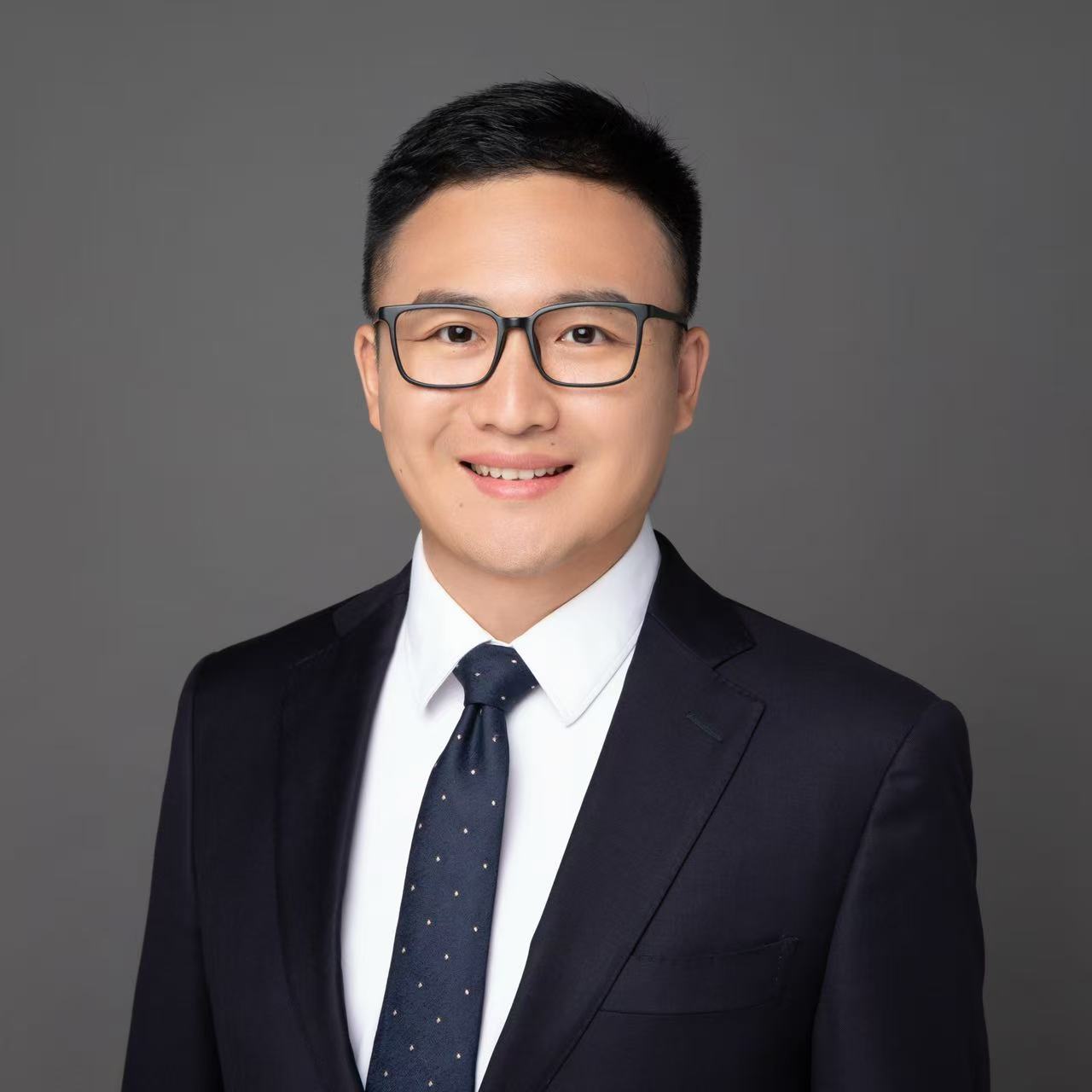
李良城 David Li
联合创始人 & 解决方案专家 | 因智安
Co-founder & Solution Architect | Intesase
演讲主题:安全保障机制演进:应对安全关键系统中的不确定性
Topic: The Evolution of Safety Assurance in Managing Uncertainty across Safety-Critical Industries
查看简介与演讲摘要 / View Bio & Abstract
个人简介 / Biography
李良城是检测、检验与认证(TIC)领域的资深管理者,在智能系统安全与合规领域拥有超过 12 年的专业经验。他的核心技术领域涵盖功能安全(ISO 26262)、预期功能安全(SOTIF / ISO 21448)、人工智能安全(ISO/PAS 8800)以及网络安全(ISO/SAE 21434)。2026年,他创立了因智安科技(Intesase),专注于为高风险关键系统提供安全与合规解决方案。
David Li is an experienced leader in the Testing, Inspection, and Certification (TIC) sector, bringing over 12 years of specialized expertise in the safety and compliance of intelligent systems. His core technical domain encompasses Functional Safety (ISO 26262), SOTIF (ISO 21448), AI Safety (ISO/PAS 8800), and Cybersecurity (ISO/SAE 21434). In 2026, he founded Intesase, a company focused on safety and compliance solutions for high-risk critical systems.
演讲内容简介 / Speech Abstract
随着人工智能与自主系统的深度融合,传统的确定性安全设计已难以应对现代系统的复杂性。本次演讲将聚焦“安全关键系统中的不确定性管理”,深入探讨安全保障(Safety Assurance)如何从传统的静态验证向动态、持续的演进机制转型。我们将结合前沿标准与行业实践,剖析如何建立涵盖认知与随机不确定性的全生命周期安全确证框架。
As artificial intelligence and autonomous technologies redefine safety-critical systems, deterministic safety engineering alone is no longer enough. This presentation explores the paradigm shift in safety assurance, moving from static pre-deployment validation to adaptive, continuous lifecycle assurance. We will examine how modern engineering frameworks address both epistemic and aleatory uncertainties, highlighting practical methodologies to bridge the gap between regulatory standards and open-world unpredictability.